León, Nicaragua: Colonial City, Volcano Day Trips and Black Sand Beaches
León is Nicaragua's second largest city, founded in 1524, with the largest cathedral in Central America and black sand Pacific beaches less than a 30-minute drive away.
At a glance
- Fly into: MGA, Managua. Augusto C. Sandino International. From there the way to León is a road transfer, by bus, shuttle or private car.
- Best weather: December to March. The most comfortable stretch for sightseeing and the beach. León is hot all year.
- Pairs with: Granada. A shared shuttle runs direct between the two. The public bus changes in Managua.
Why visit León
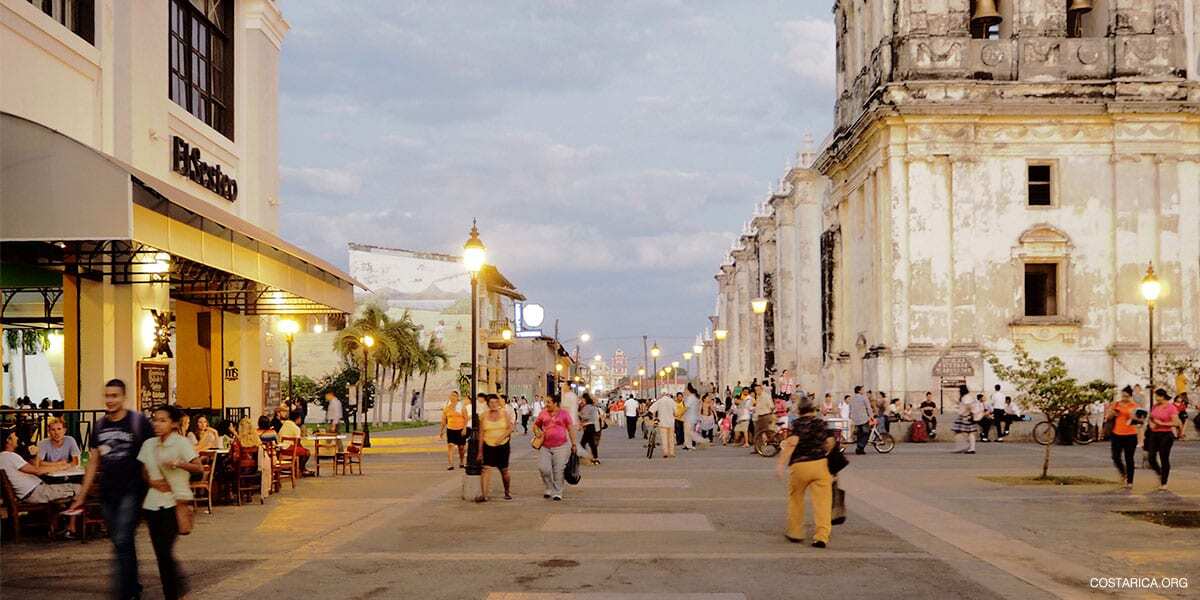
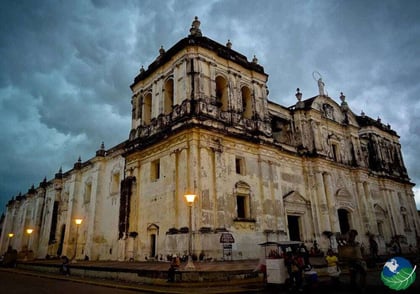
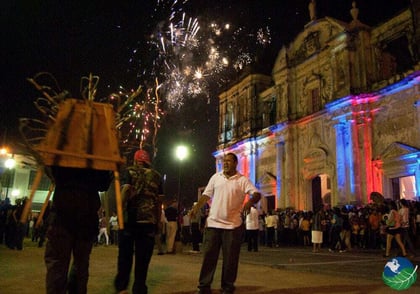
León is the second largest city in Nicaragua, after Managua, and the capital of its department. Spanish settlers founded it in 1524 at a different site, now the UNESCO-listed ruins of León Viejo at the foot of Momotombo volcano, and in 1610 the city moved to where it stands today. Known as the University City, it is home to the National Autonomous University of Nicaragua, founded in 1812 and the second oldest in Central America. The cathedral on the main square is the largest in Central America and became a UNESCO World Heritage Site on 28 June 2011. You can climb to its roof for a view over the city, and the poet Rubén Darío is buried inside. Close by are the Rubén Darío museum, set in the house where he spent his first 14 years, and the Museum of the Revolution, where former revolutionaries show you around. Murals on the streets tell the story of the Sandinista Revolution. From León you can reach Cerro Negro and Telica, both active volcanoes, and the Pacific coast is less than 30 minutes away, so a stay splits easily between city mornings and active afternoons.
Colonial centre
The cathedral and its roof, the Rubén Darío museum and the Museum of the Revolution, all in the city.
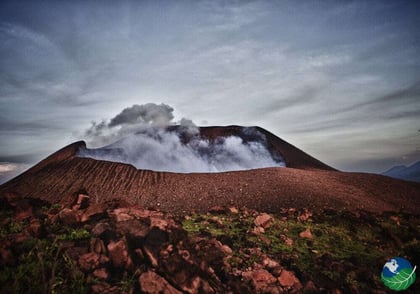
Volcanoes
Boarding down Cerro Negro on loose ash, or a sunset at the crater of Telica.
Pacific coast
Black sand at Las Peñitas, surf lessons and boat trips into the Isla Juan Venado reserve.
Places to know
León colonial centre
The cathedral, the museums and the streets of the University City, best covered on foot.
Sutiava
The district where León moved in 1610, with the oldest intact church in the city.
Las Peñitas
A fishing village with a long black sand beach, an estuary and the way into Isla Juan Venado.
Poneloya
The more residential beach next door to Las Peñitas.
Isla Juan Venado
An uninhabited barrier island with mangroves, crocodiles, nesting turtles and migratory birds, visited by boat or kayak.
When to go to León
The dry season starts in November and the rains return in May. December to March is the most comfortable stretch for sightseeing and the beach, and September brings the most wet days. León is hot all year, so we plan outdoor days with the heat in mind.
Getting to León
From Managua airport (MGA)
Time confirmed in your itinerary. By road. Tica Bus runs between León and Managua, and shuttles and private car transfers also serve the route.
From León colonial centre to Las Peñitas
Under 30 minutes. By car or taxi. Colectivo taxis and local buses also run to the beach.
From Granada
Time confirmed in your itinerary. No direct public bus: you change in Managua. A direct shared shuttle runs daily.
Frequently asked questions
How long should we stay in León?
León works as a base for city walks, a volcano outing and a beach day, each as its own trip out from the centre. The cathedral, the Rubén Darío museum and the Museum of the Revolution all sit in the colonial centre, so the city itself suits slow days on foot. We set the length of your stay around the other regions on your route, so tell us how much time you have.
How far is the beach from León?
Las Peñitas and Poneloya are on the Pacific coast, less than a 30-minute drive from León. Taxis, colectivo taxis and local buses make the trip, and the sand is black. Las Peñitas is also the gateway to the Isla Juan Venado nature reserve.
What is volcano boarding on Cerro Negro?
You hike up Cerro Negro, an active volcano that is monitored, and slide down its slope of loose volcanic ash and gravel on a board. There are no lifts, so the climb is on foot and takes about 45 to 60 minutes. The volcano is just outside León.
Can we visit León in the rainy season?
It is possible. León's wet season is overcast and has more rainy days, and September has the most. A Nicaragua-wide guide from Audley Travel says travel stays workable with minimal disruption until the end of August, and that September and October are best avoided because heavy rain can disrupt travel, particularly in rural areas.
Where do we stay in León?
We keep six 4 and 5 star hotels in the colonial centre: Azul Hotel & Restaurante, City Centro by Marriott La Recoleccion, Hotel Cacique Adiact, Hotel El Convento, Hotel Flor de Sarta and Hotel La Perla. Tell us the kind of stay you want and we will match it to your dates.
What does the government travel advisory say?
The US State Department's advisory for Nicaragua, issued on 14 May 2026, is Level 3, Reconsider travel. It also recommends buying travel insurance. Read the full text at travel.state.gov and check your own government's advisory before you book.
Gallery
Location
León, Nicaragua
Plan a stay in León, Nicaragua: a UNESCO cathedral, Cerro Negro volcano boarding and black sand beaches at Las Peñitas. Trips designed by local experts.