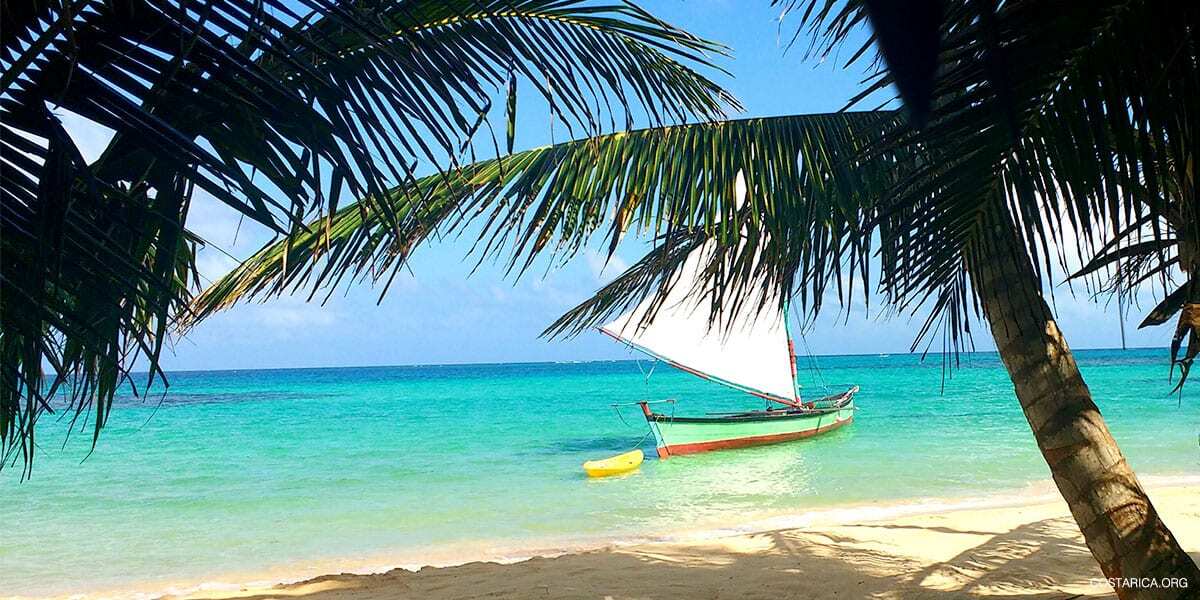
The Corn Islands: Big Corn and Little Corn
Two small Caribbean islands off Nicaragua's east coast: Big Corn has the airport and a road around most of it, and Little Corn has no motor vehicles at all.
At a glance
- Fly into: Managua (MGA), then La Costeña to Big Corn Island. Only Big Corn has an airport. Little Corn is a short boat ride from there.
- Best weather: March to April. The driest, calmest stretch of the year, though rain can fall in any month.
- Pairs with: Granada and León. Colonial cities first, then the Caribbean. Managua is the flight connection.
Why go to the Corn Islands
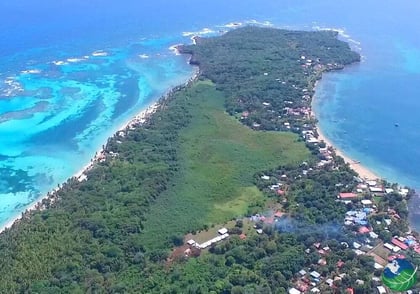
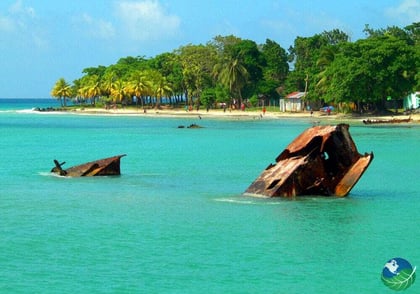
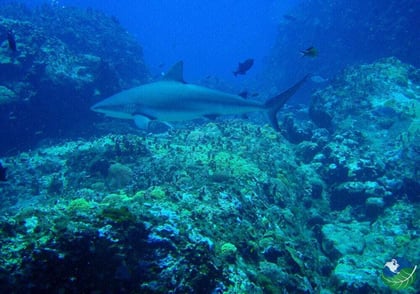
The Corn Islands sit in the Caribbean Sea off Nicaragua's east coast, and they feel nothing like the Pacific side of the country. English Creole is widely spoken alongside Spanish, and the food is built on coconut and seafood. Big Corn Island is the larger of the two. It has the airport, taxis, a road that runs around most of the island, and beaches such as Long Bay and Sally Peachy. Little Corn Island lies 13 km to the northeast and has no motor vehicles. Dirt paths link the village, the beaches and the dive shops, and the reef lies close to shore. Divers come for the barrier reef, where, with luck, you may meet a hammerhead shark. Reaching the islands takes a flight from Managua and, for Little Corn, an open boat, so the pace stays slow. Our three hotels here are all on Little Corn: Yemaya Reefs at Otto Beach, Little Corn Beach & Bungalow at Cocal Beach, and The Lighthouse Retreat on the hilltop.
Diving and snorkelling
Blowing Rock off Big Corn is a volcanic pinnacle popular with barracuda. Little Corn's barrier reef draws divers hoping to meet a hammerhead.
Car-free walking
Little Corn has dirt paths instead of roads, so the beaches, the village and the lighthouse trail are all reached on foot.
Caribbean culture
English Creole is widely spoken alongside Spanish, and the island kitchens work with coconut and fresh seafood.
Places to know
Big Corn Island
The larger island, with the only airport, the taxis and the road around most of its edge. Quinn Hill is its highest point.
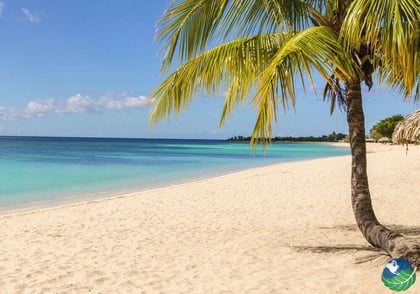
Long Bay, Big Corn
One of the longest beaches on Big Corn. Snorkelling works from the sand when the water is calm.
Little Corn Island
The car-free island, with a village on its leeward side, dirt paths and several dive shops.
Otto Beach, Little Corn
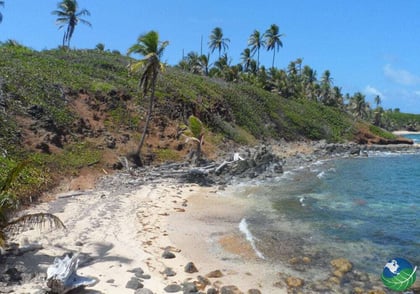
A white-sand beach at the northern tip of Little Corn, with a reef just off the beach. Yemaya Reefs is here.
The lighthouse hill, Little Corn
A short trail from Otto Beach climbs to a disused lighthouse with views over the island and the sea. The Lighthouse Retreat sits on this hilltop.
When to go to the Corn Islands
March and April fall inside every dry-season window we found, so they are the safest months for calm, clear water. Rain falls in every month on these islands, and October and November are usually the wettest. In autumn, tropical weather can interrupt the panga boats between the two islands, so leave a spare day before an international flight home.
Getting to the Corn Islands
From Managua
Under two hours. La Costeña flies daily to Big Corn Island, sometimes with a short stop in Bluefields.
From Big Corn to Little Corn
About 30 to 40 minutes. An open panga boat, usually twice a day. The crossing can be rough and wet.
From Bluefields
Several hours. Passenger ferry to Big Corn on Wednesdays and Saturdays at 9am, returning on Thursdays and Sundays. The time at sea varies, so confirm the schedule before you travel.
From Managua by road and boat
Most of two days. Bus to Bluefields, a night there, then the ferry.
Frequently asked questions
How do I get to the Corn Islands?
Fly from Managua to Big Corn Island with La Costeña, which runs daily flights and sometimes stops in Bluefields on the way. Only Big Corn has an airport. If you are staying on Little Corn, a taxi takes you to the dock and a panga boat covers the last stretch, usually twice a day.
Can I reach the islands by ferry?
Yes. A passenger ferry leaves Bluefields for Big Corn on Wednesdays and Saturdays at 9am and returns on Thursdays and Sundays. The crossing takes several hours, and sailings wait for better weather when the sea is bad, so confirm the schedule before you travel.
How long should I stay?
Allow several nights, because the journey takes a flight and a boat each way. A common plan for divers is most of the time on Little Corn and a final night on Big Corn, so a boat delay cannot cost them the flight home.
Are there cars on Little Corn?
No. Little Corn has no motor vehicles, and people walk the dirt paths between the village, the beaches and the lighthouse trail.
Is the boat between the islands rough?
It can be. The pangas are open speedboats, and the crossing can be wet, so keep passports and cameras in a dry bag. In autumn, tropical weather can interrupt the service.
What does the US government advise about travel to Nicaragua?
The US State Department lists Nicaragua at Level 3, Reconsider Travel, in an advisory issued on May 14, 2026. Read the current advisory at travel.state.gov/en/international-travel/travel-advisories/nicaragua.html before you book.
Gallery
Location
Corn Island, Nicaragua
Plan the Corn Islands in Nicaragua: flying in from Managua, Big Corn or Little Corn, the calmest months, and pairing them with Granada and León.